
For nearly a decade, pop music felt stuck in a creative rut. The early 2010s were dominated by polished, production-heavy tracks designed for maximum radio play and minimum emotional resonance. But something remarkable has happened in the past few years—pop music has gotten its soul back, and it’s happening through the very technology that was supposed to homogenize it.
The modern pop production landscape
The Death of the Album (and Its Resurrection)
Remember when albums mattered? In the streaming era, the emphasis shifted to singles—songs optimized for quick consumption and playlist placement. Entire albums became anachronisms, reduced to “album streams” that fans would listen to once and forget.
But artists are reclaiming album storytelling. Taylor Swift’s “Folklore” and “Midnights,” Beyonce’s visual albums, and even mainstream pop artists are now expected to deliver cohesive narratives rather than just playlist filler. Streaming hasn’t killed albums—it’s forced artists to make them meaningful again.
The art of pop production reborn
Genre Lines Have Blurred (And That’s Good)
The Country-Pop Fusion
Artists like Post Malone and Shania Twain demonstrate that genre boundaries are increasingly artificial. What matters is emotional authenticity, not categorical purity.
R&B’s Pop Renaissance
Artists like SZA, H.E.R., and Giveon have brought R&B back to mainstream pop without sacrificing artistic integrity. The smooth vocals and vulnerability that defined classic R&B now populate top 40 charts.
Pop Goes Acoustic
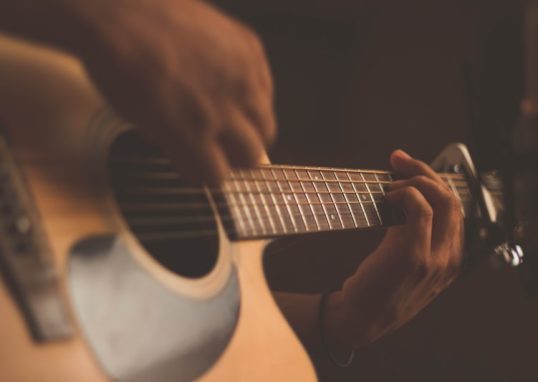
From Olivia Rodrigo’s raw guitar-driven tracks to Adele’s piano ballads, there’s been a deliberate retreat from over-polished production. The most successful pop songs now often sound like they could have been recorded in a bedroom.
The TikTok Effect: Two-Way Street
Yes, TikTok has created monster hits (“Old Town Road,” “drivers license”), but the relationship is reciprocal. Artists now create music with TikTok in mind—thinking about which 15-second snippet will go viral. This has led to fears of “clip-thinking,” where songs are designed around moments rather than overall composition.
However, the best artists use TikTok as a launchpad, not a destination. They understand that going viral is just the beginning—keeping fans requires actual talent and emotional depth.
The Future of Pop
Pop music in 2026 is unrecognizable from its 2016 form. The genre has absorbed influences from across the musical spectrum—Afrobeats, K-pop, Latin music, and indie folk—all while rediscovering the emotional vulnerability that made pop the world’s most accessible music form.
The lesson? Technology changes, but the human need for music that speaks to our hearts remains constant. Pop always finds a way to be what people need it to be.
“Pop music told us to dream big, to reach for the stars. That’s the American dream in musical form.” — Nile Rodgers
What pop transformation has surprised you most? What songs define this era for you? Share your thoughts below! 🎤

相关文章

Analog Souls: Why Musicians Are Returning to Tape, Tubes, and Vintage Gear
There’s somethin...
读出全部
The Festival Generation: How Live Music Events Became Cultural Pilgrimages
I’ll never forge...
读出全部
Beyond the Song: How Music Videos Became the Ultimate Art Form of Our Time
I still remember the f...
读出全部
Neon Nights: Electronic Music’s Journey from Underground to Mainstream
I still remember my fi...
读出全部